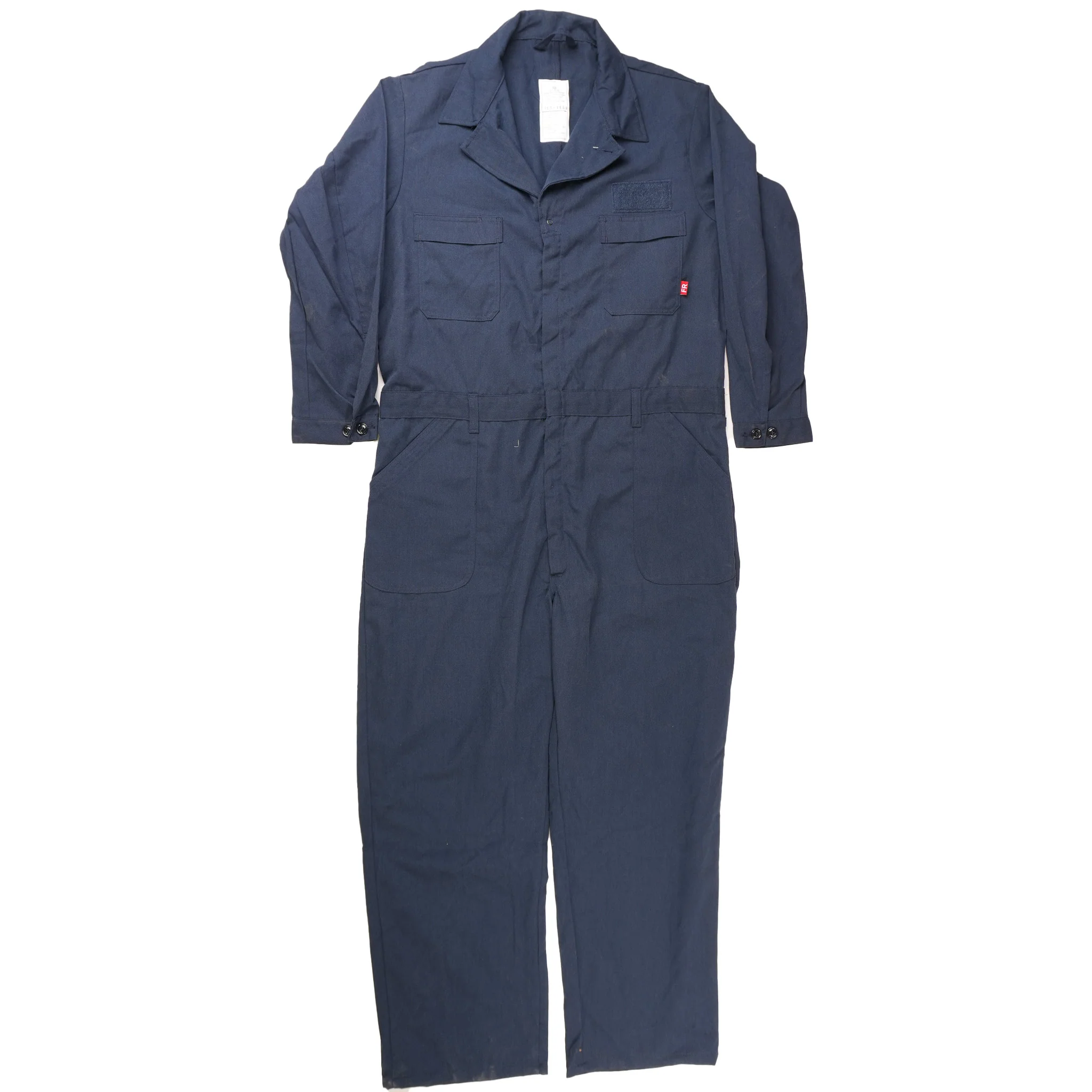
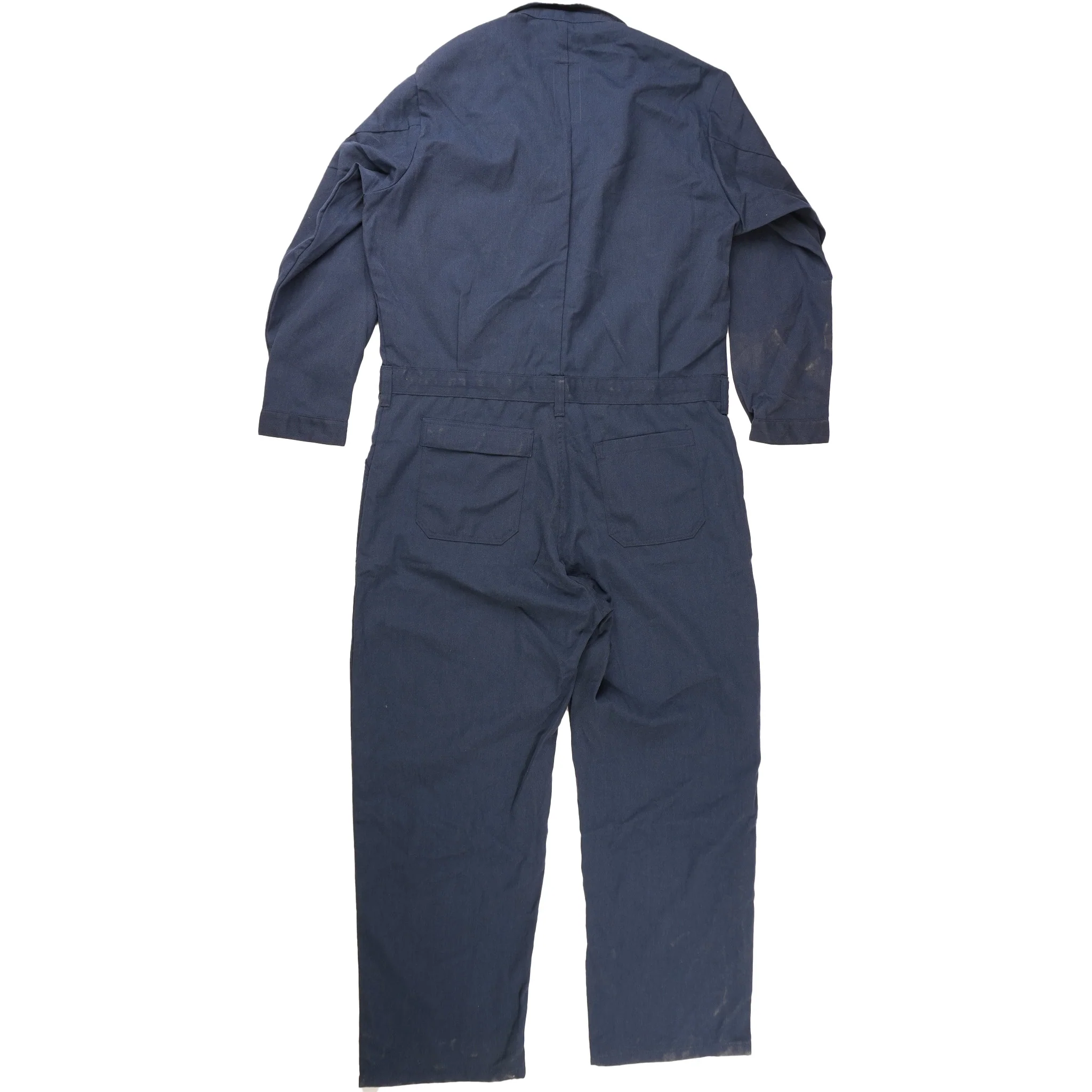
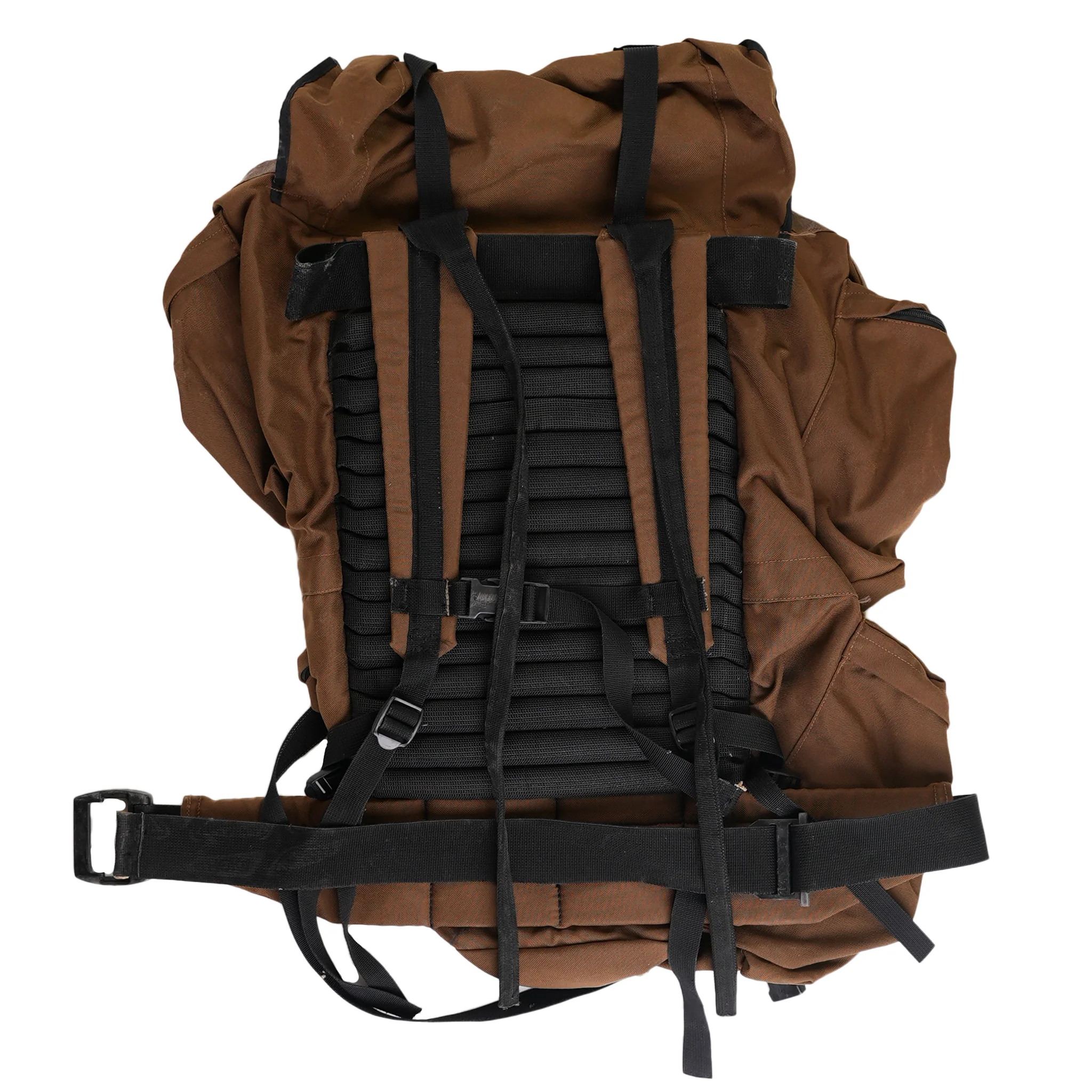
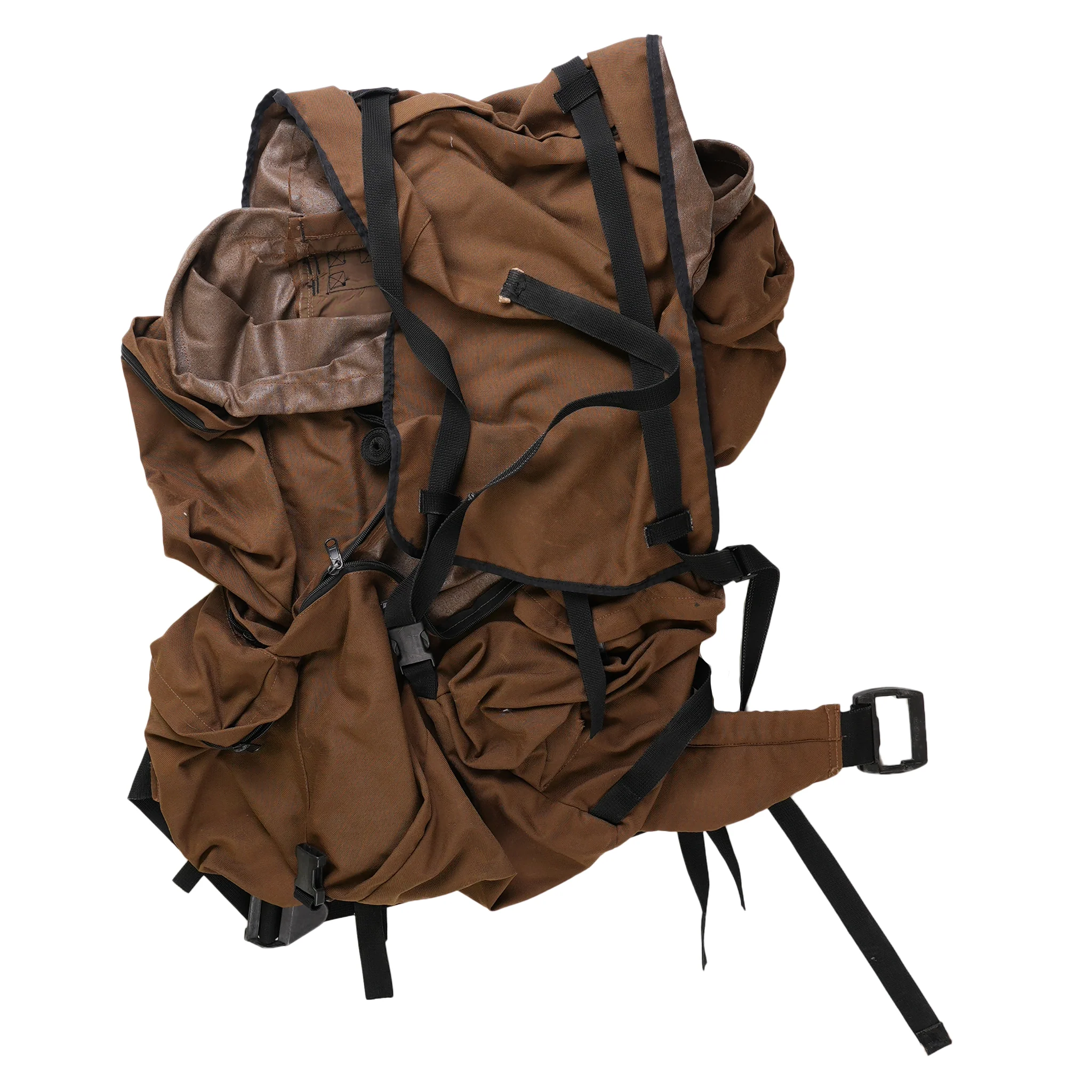
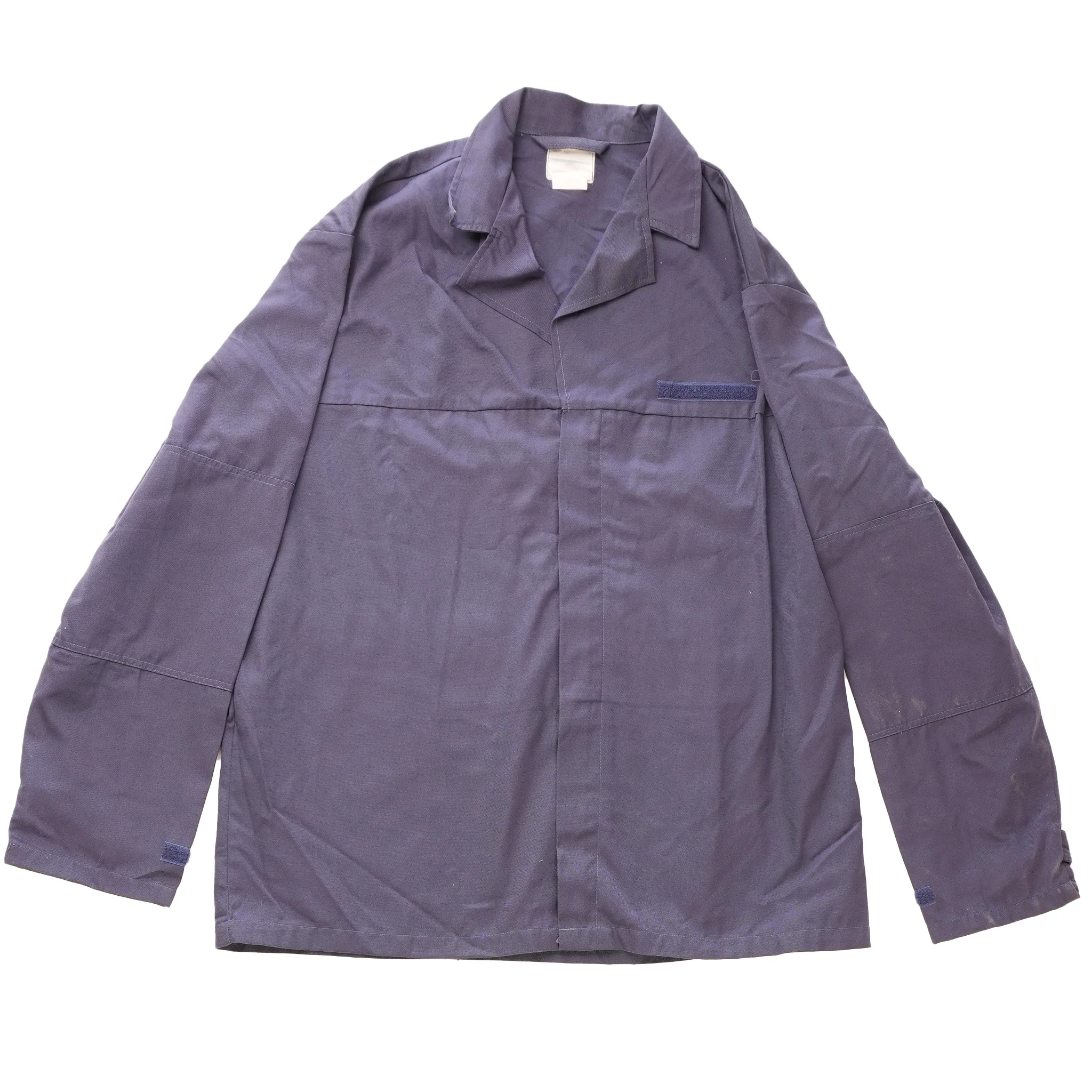
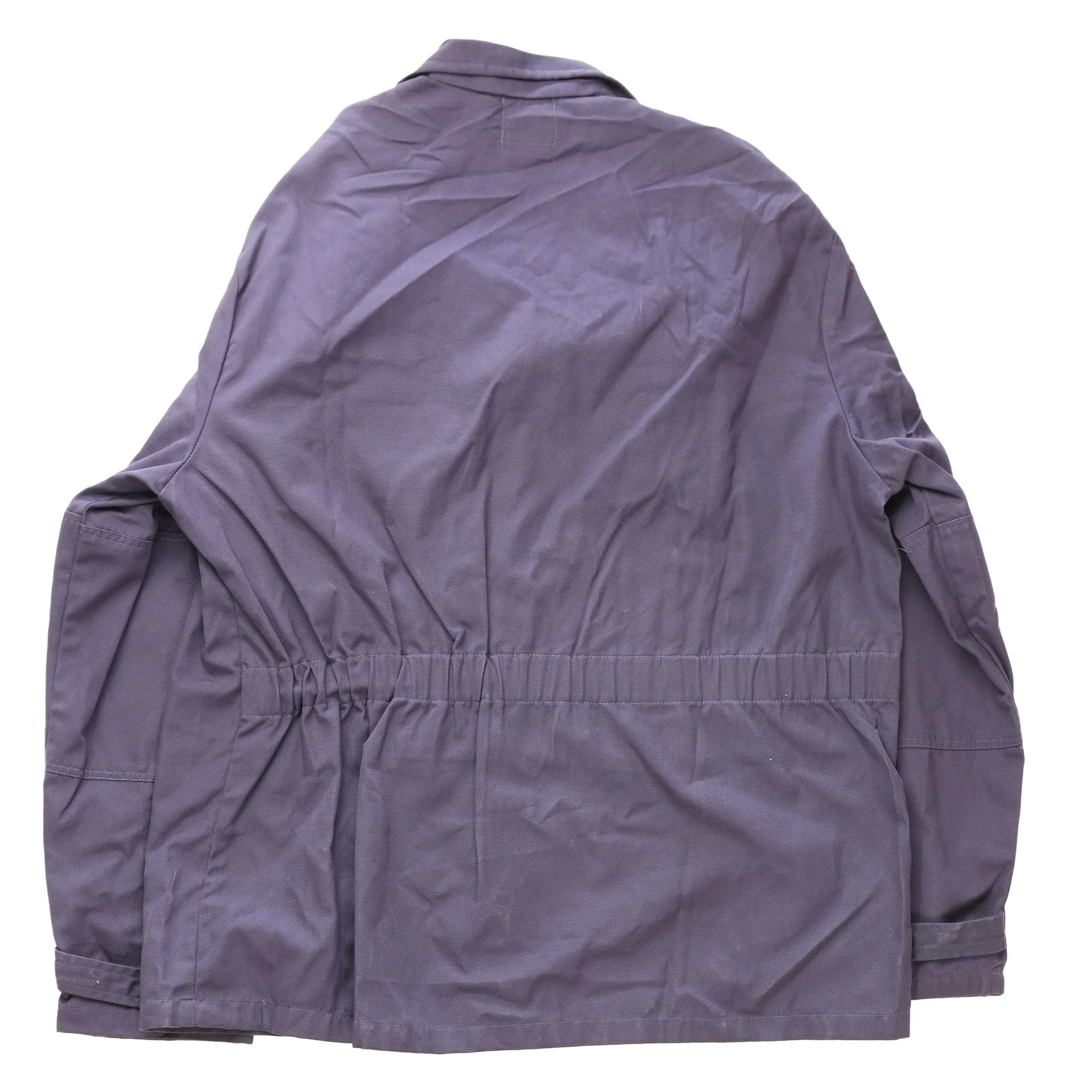
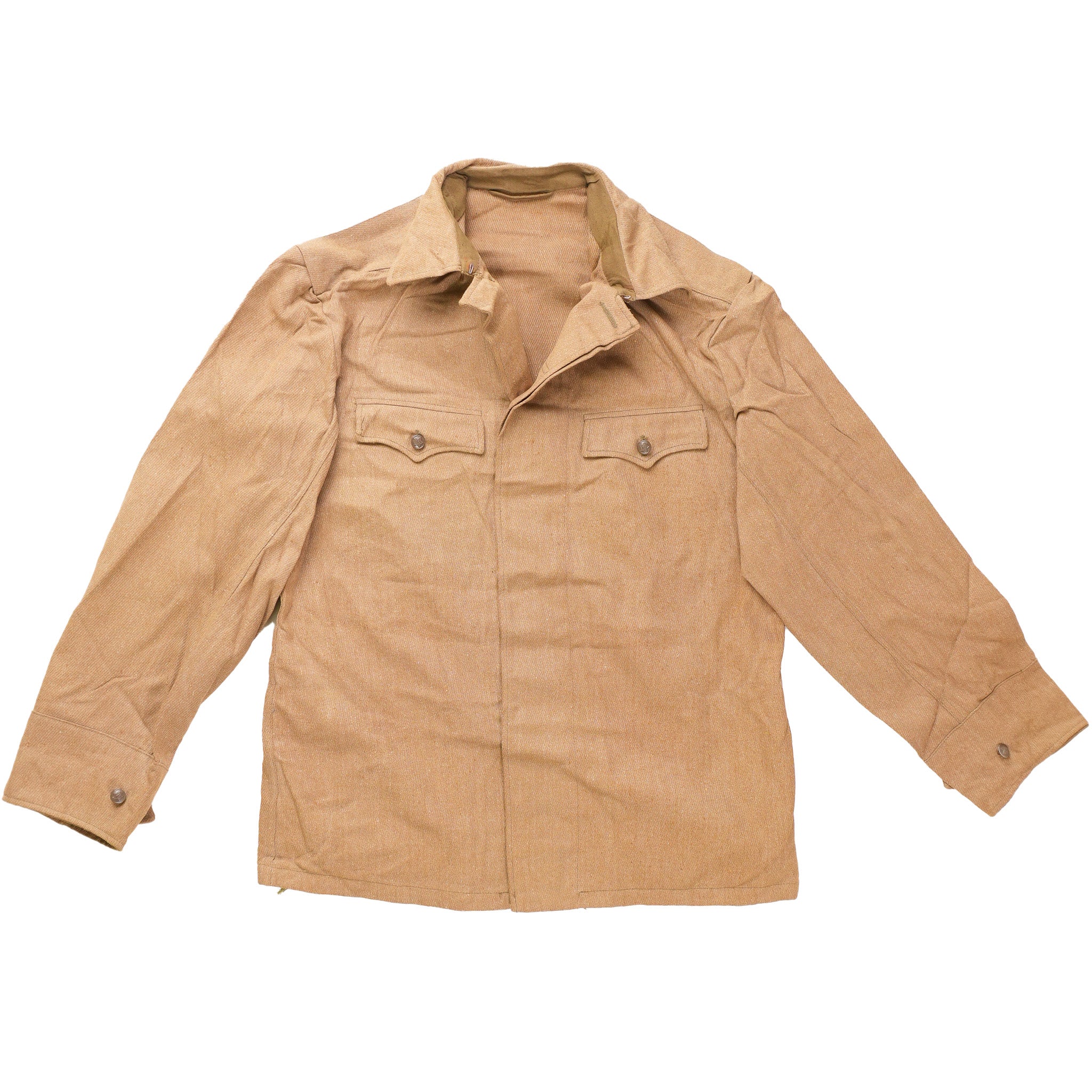
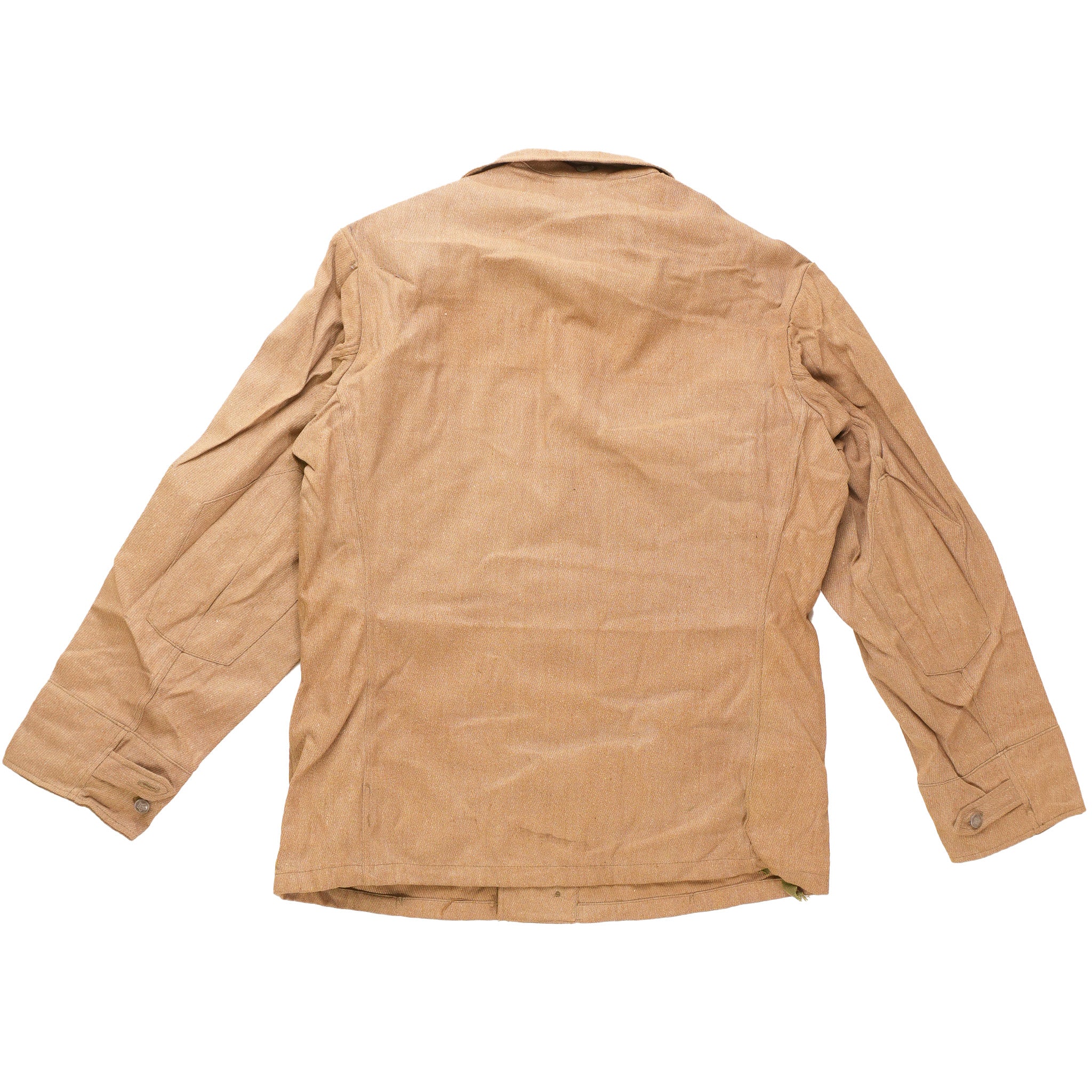
Issued TAZ 57 Alpenflage M61/70 Field Jacket
Please read our Sizing Guide before ordering. Sleeves on these run a little short, so please size up if you prefer longer sleeves that may cover parts of your hand. See the Sizing Guide at the bottom of this listing for pit-to-pit measurements.
TAZ 57 Alpenflage Camo and Its History
The Issued TAZ 57 Alpenflage M61/70 Field Jacket is the Swiss army's primary combat smock from the Cold War era and one of the most distinctive military surplus jackets ever produced. The TAZ 57 "Alpenflage" pattern is a Swiss adaptation of the German Leibermuster camouflage developed during the Second World War. Some sources indicate the Swiss obtained the textile manufacturing technology from Czechoslovakian production lines in the postwar period, which would explain the strong visual similarity between the patterns.
What makes Alpenflage unusual among camouflage patterns is its six-color composition: a tan background with white flecks, light green, dark green, reddish-brown, and black. The prominent red-brown tones were deliberately chosen to disrupt the silhouette against autumn foliage and, notably, to defeat near-infrared (NIR) detection systems used by Warsaw Pact forces. Swiss soldiers nicknamed it the "Vierfruchtpyjama" (four-fruit pajamas), which tells you everything you need to know about how it was received by the troops who had to wear it. The pattern was in service from the introduction of the Kampfanzug 61 (combat uniform, 1961) through the Kampfanzug 70 revision and remained in use until the early 1990s, when it was retired in favor of the TAZ 90 pattern.
The Jacket
These field jackets were issued to combat infantry of the Schweizer Armee. The jacket is built around a central design idea: replace as much external load-bearing equipment as possible with the garment itself. The result is ten usable pockets, including chest magazine pockets, waist pockets, and two zip-up interior pockets at the hem. After 1970, the Kampfanzug 70 revision added front attachment rings designed to clip directly to a dedicated daypack, replacing conventional webbing gear entirely. The average Swiss infantryman carried ammunition, anti-tank grenades, rations, and blankets in the jacket and on it.
Construction is a heavyweight cotton/polyester canvas blend, notable for being stiffer and denser than the comparable US M65 field jacket. Swiss military surplus has a long-standing reputation for durability: heavy stitching, reinforced elbows, elastic zip-up cuffs, and a stowable hood engineered to fit over a helmet. The M70-era jackets also feature a built-in infrared veil that stows inside the collar. Some jackets will include this veil; others will not. The front closes with both a zip and snap cap closure.
Out in the World
The Alpenflage jacket has found a second life among bushcrafters, hunters, and people who need a genuinely tough shell for slow-paced outdoor work. The heavyweight canvas shrugs off thorns and brush that would destroy a synthetic softshell, and the ten-pocket layout means you can carry a serious amount of gear without a bag.
Bushcraft and outdoor forum users consistently praise it for static activities: tree stand hunting, early-season trail work, mountain biking in shoulder season, and cold-weather dog walking where you need your hands free and your layers on your body. It is not a fast-hiking jacket -- the weight and cotton construction are not suited for strenuous uphill work -- but for anyone moving slowly through rough terrain or standing around in cold weather, the construction quality and carry capacity are genuinely hard to match at this price point. A comparable civilian jacket with this pocket count and canvas weight would cost two to three times what this sells for.
The Short and Sweet:
- Genuine Schweizer Armee surplus, Kampfanzug 61 and 70 variants
- Most jackets date from between 1961 and the early 1980s
- TAZ 57 Alpenflage six-color camouflage pattern
- Heavyweight cotton/polyester canvas blend; reinforced elbows
- Ten usable pockets, including two interior zip pockets at hem
- Zip-up and snap cap front closure
- Stowable hood sized to fit over a helmet
- Elastic zip-up cuffs; button-up shoulder epaulets
- Front rings for attaching the integrated rucksack system
- May or may not include infrared veil
- Issued condition; good overall
Sizing Guide:
Model is 5' 11" and 160 pounds wearing a size medium.
Swiss sizing uses pit-to-pit measurements in centimeters to denote sizes. To find your size, take a well-fitting shirt and lay it flat. Measure from armpit to armpit. That number is your pit-to-pit measurement.
Medium (48): 19" pit-to-pit. Large (52): 20.5" pit-to-pit. Extra Large (56): 22" pit-to-pit.
Original: $575.00
-70%$575.00
$172.50Product Information
Product Information
Shipping & Returns
Shipping & Returns
Description
Please read our Sizing Guide before ordering. Sleeves on these run a little short, so please size up if you prefer longer sleeves that may cover parts of your hand. See the Sizing Guide at the bottom of this listing for pit-to-pit measurements.
TAZ 57 Alpenflage Camo and Its History
The Issued TAZ 57 Alpenflage M61/70 Field Jacket is the Swiss army's primary combat smock from the Cold War era and one of the most distinctive military surplus jackets ever produced. The TAZ 57 "Alpenflage" pattern is a Swiss adaptation of the German Leibermuster camouflage developed during the Second World War. Some sources indicate the Swiss obtained the textile manufacturing technology from Czechoslovakian production lines in the postwar period, which would explain the strong visual similarity between the patterns.
What makes Alpenflage unusual among camouflage patterns is its six-color composition: a tan background with white flecks, light green, dark green, reddish-brown, and black. The prominent red-brown tones were deliberately chosen to disrupt the silhouette against autumn foliage and, notably, to defeat near-infrared (NIR) detection systems used by Warsaw Pact forces. Swiss soldiers nicknamed it the "Vierfruchtpyjama" (four-fruit pajamas), which tells you everything you need to know about how it was received by the troops who had to wear it. The pattern was in service from the introduction of the Kampfanzug 61 (combat uniform, 1961) through the Kampfanzug 70 revision and remained in use until the early 1990s, when it was retired in favor of the TAZ 90 pattern.
The Jacket
These field jackets were issued to combat infantry of the Schweizer Armee. The jacket is built around a central design idea: replace as much external load-bearing equipment as possible with the garment itself. The result is ten usable pockets, including chest magazine pockets, waist pockets, and two zip-up interior pockets at the hem. After 1970, the Kampfanzug 70 revision added front attachment rings designed to clip directly to a dedicated daypack, replacing conventional webbing gear entirely. The average Swiss infantryman carried ammunition, anti-tank grenades, rations, and blankets in the jacket and on it.
Construction is a heavyweight cotton/polyester canvas blend, notable for being stiffer and denser than the comparable US M65 field jacket. Swiss military surplus has a long-standing reputation for durability: heavy stitching, reinforced elbows, elastic zip-up cuffs, and a stowable hood engineered to fit over a helmet. The M70-era jackets also feature a built-in infrared veil that stows inside the collar. Some jackets will include this veil; others will not. The front closes with both a zip and snap cap closure.
Out in the World
The Alpenflage jacket has found a second life among bushcrafters, hunters, and people who need a genuinely tough shell for slow-paced outdoor work. The heavyweight canvas shrugs off thorns and brush that would destroy a synthetic softshell, and the ten-pocket layout means you can carry a serious amount of gear without a bag.
Bushcraft and outdoor forum users consistently praise it for static activities: tree stand hunting, early-season trail work, mountain biking in shoulder season, and cold-weather dog walking where you need your hands free and your layers on your body. It is not a fast-hiking jacket -- the weight and cotton construction are not suited for strenuous uphill work -- but for anyone moving slowly through rough terrain or standing around in cold weather, the construction quality and carry capacity are genuinely hard to match at this price point. A comparable civilian jacket with this pocket count and canvas weight would cost two to three times what this sells for.
The Short and Sweet:
- Genuine Schweizer Armee surplus, Kampfanzug 61 and 70 variants
- Most jackets date from between 1961 and the early 1980s
- TAZ 57 Alpenflage six-color camouflage pattern
- Heavyweight cotton/polyester canvas blend; reinforced elbows
- Ten usable pockets, including two interior zip pockets at hem
- Zip-up and snap cap front closure
- Stowable hood sized to fit over a helmet
- Elastic zip-up cuffs; button-up shoulder epaulets
- Front rings for attaching the integrated rucksack system
- May or may not include infrared veil
- Issued condition; good overall
Sizing Guide:
Model is 5' 11" and 160 pounds wearing a size medium.
Swiss sizing uses pit-to-pit measurements in centimeters to denote sizes. To find your size, take a well-fitting shirt and lay it flat. Measure from armpit to armpit. That number is your pit-to-pit measurement.
Medium (48): 19" pit-to-pit. Large (52): 20.5" pit-to-pit. Extra Large (56): 22" pit-to-pit.